

LYVA Labs has officially launched the fourth edition of its Incubator, supporting Liverpool City...
One of the biggest challenges facing early-stage companies isn't developing innovative technology - it's turning that innovation into commercial traction.
That was the focus of June's Entrepreneur Club, where marketing strategist Mark Errington joined founders for a practical workshop on building an effective go-to-market (GTM) strategy. Drawing on his experience working with brands including Rapha and Castore, Mark shared practical frameworks to help businesses better understand their customers, communicate their value and create a repeatable process for winning new business.
Here are some of the key lessons from the session.
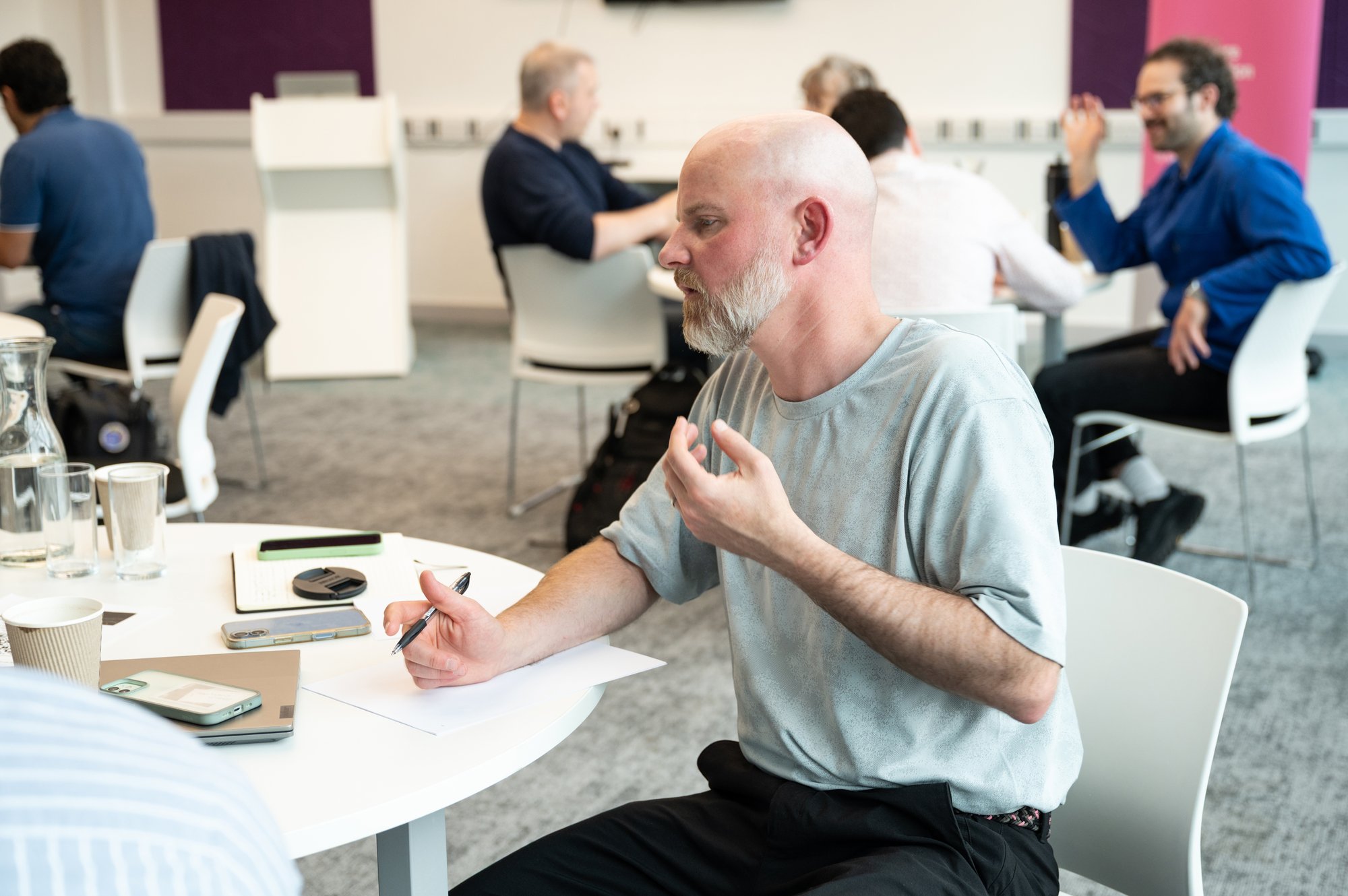
"Start with the product you have today"
It's easy for startups to focus on where their product will be in two years' time. However, an effective GTM strategy starts with the product customers can buy today, not the future roadmap.
Before thinking about marketing or sales, founders should ask themselves:
- What problem does our product solve today?
- What evidence supports this?
- What assumptions still need validating?
- Who gets value from the product?
- Who uses it?
- Who buys it?
- Who influences the buying decision?
- What are we selling?
- Who are we trying to win?
- Why would they choose us?
- How will we reach and convert them?
- How do we make money?
Building a GTM around today's product creates stronger messaging, more credible customer conversations and a clearer path to commercial growth.
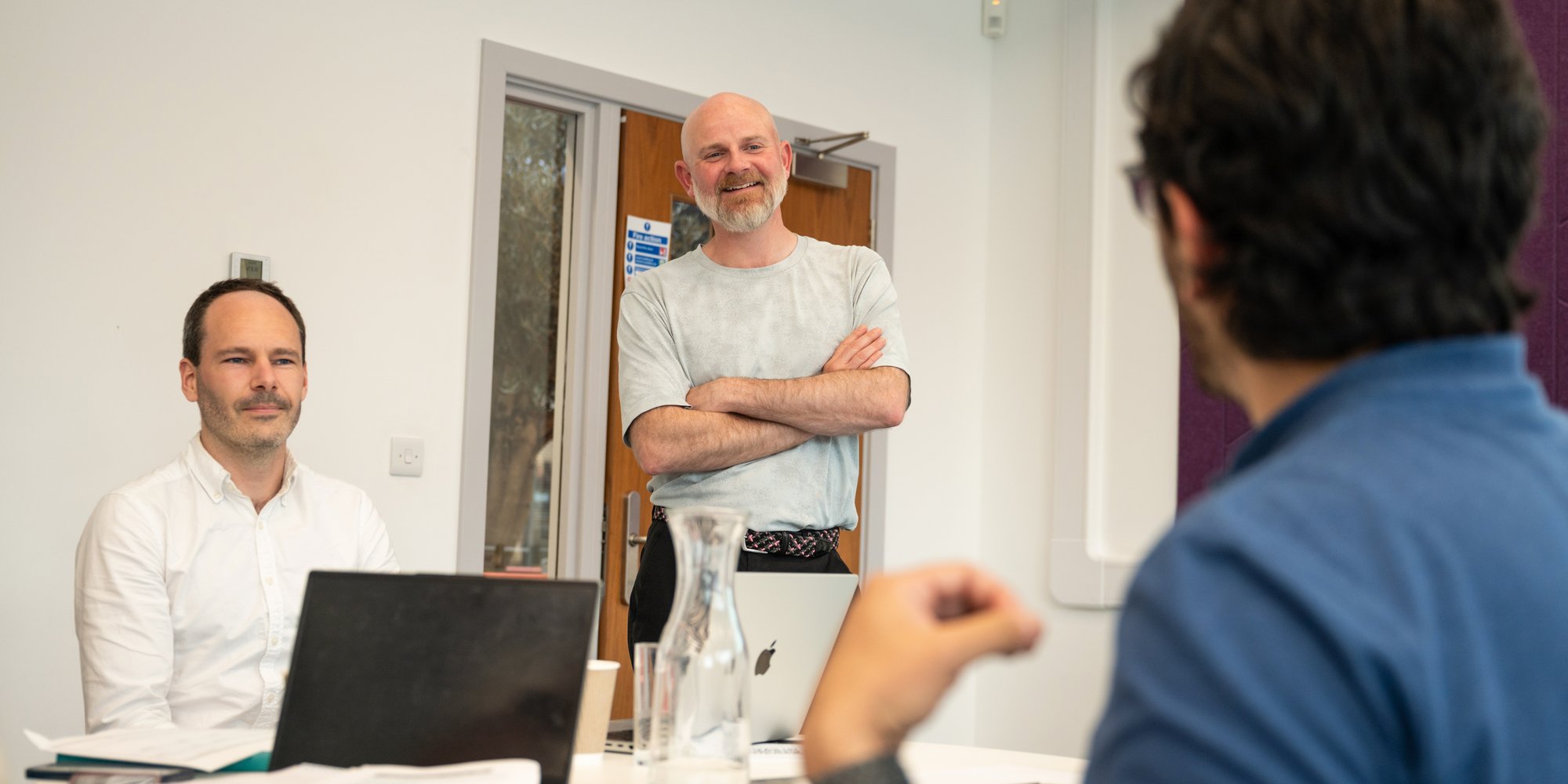
"People don't buy features; they buy outcomes"
One of the strongest messages from the session was that customers rarely buy technology simply because it's technically impressive.
Instead, they buy the outcome it delivers.
Whether it's saving time, reducing costs, improving safety or increasing efficiency, successful businesses communicate the value they create rather than the features they offer. A simple framework discussed during the workshop was:
Problem → Solution → Outcome
Understanding the customer is equally important. In many markets, particularly healthcare and B2B technology, the person using a product is often different from the person purchasing it. Founders were encouraged to consider four key groups:
Recognising these different audiences helps businesses develop clearer messaging and more effective sales conversations.
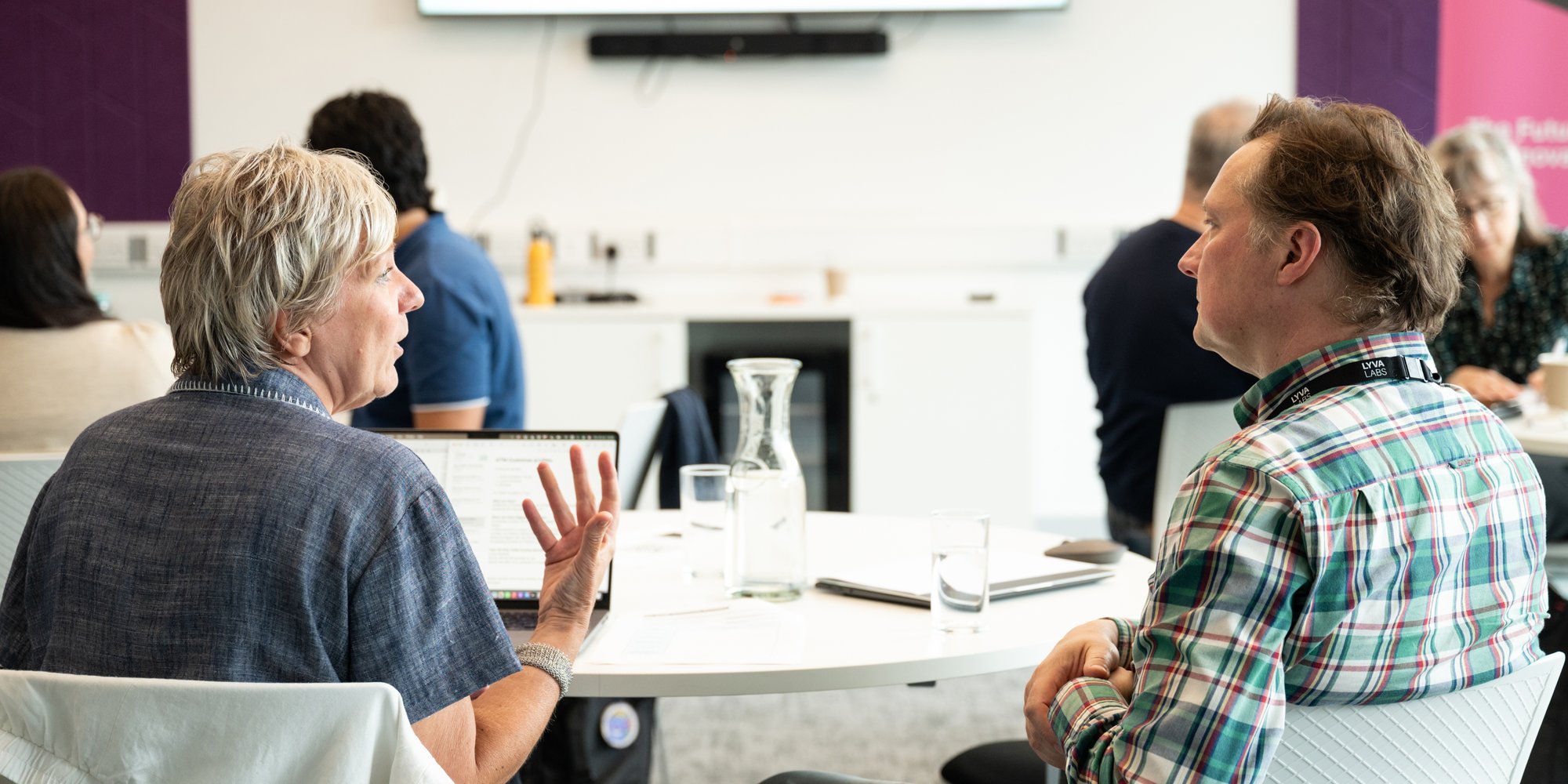
"Your GTM must be about the customer"
A successful go-to-market strategy is built around the customer, not the company.
The workshop explored how founders can map the customer journey, identify the right growth channels and create a repeatable process for generating traction. Marketing was only one part of the discussion; partnerships, referrals, pilot customers, investors and industry networks were all highlighted as valuable routes to market for innovation-led businesses.

"Create a GTM strategy that will inspire"
The session concluded with a reminder that a GTM strategy is not simply a document; it's a practical framework that should guide action. Every business should be able to answer five simple questions:
By working through these questions alongside LYVA Labs advisors, participants left with the foundations of a go-to-market strategy they can continue to refine as their businesses grow.
For founders, commercial success isn't determined solely by the quality of the technology they build. It comes from understanding customers, communicating value clearly and creating a repeatable process for turning innovation into traction, the central theme of June's Entrepreneur Club.



 Central Tech, 31 Russell St, Liverpool, L3 5LJ
 enquiries@lyvalabs.com
  LinkedIn